

The global landscape of recreational and stress-relief products has witnessed a paradigm shift, moving from traditional passive toys to active, engagement-focused mechanisms. At the forefront of this transition is the 3d car fidget toy, a product category that has seen exponential growth since late 2024. Industry analysis for 2025 reveals that the sensory toy market is expanding at an unprecedented rate, with three-dimensional printed items capturing a significant market share due to their intricate designs and tactile appeal. This surge is not merely a resurgence of nostalgic automotive shapes but a sophisticated evolution of how both children and adults interact with physical objects for focus and relaxation.
For B2B buyers and wholesalers, understanding the mechanics of this trend is crucial for inventory management and strategic procurement. The modern 3 d car model is no longer seen as a disposable trinket but as a durable good that offers longevity in play and utility. Data projections for 2026 suggest a continued upward trajectory in demand, driven by a global increase in sensory processing awareness and the growing need for desk-based stress management tools. This presents a stable, high-volume opportunity for businesses looking to stock products that bridge the gap between the toy industry and the wellness sector.
The driving force behind this market explosion lies in the unique ability of these products to cater to diverse demographics simultaneously. Children are drawn to the mechanical wonder and the rolling motion of a 3d car, while adults appreciate the engineering precision and the quiet, rhythmic sensory input it provides. This dual appeal effectively doubles the addressable market for wholesalers, allowing for bulk marketing strategies that target educational institutions for children and corporate environments for adults. Consequently, the product has become a staple item for promotional goods companies and novelty retailers alike.
Furthermore, the integration of advanced manufacturing technologies has allowed for a level of detail and customization that was previously cost-prohibitive. As we move deeper into 2025, the capability to produce a high-quality 3d customize car on a mass scale has revolutionized the supply chain. Retailers are now able to offer bespoke solutions to their clients without the prohibitive lead times associated with traditional manufacturing. This agility in production and design is a key factor in why this specific segment of the fidget toy market is outperforming generic competitors.
1. Why the 3D Car Toy Market is Exploding
The phenomenon of the 3d car fidget toy dominating the market is rooted in a complex convergence of psychological needs and manufacturing breakthroughs. Consumers today are actively seeking products that provide a tangible respite from the digital saturation of modern life, creating a robust demand for tactile tools that serve both functional and recreational purposes. This trend is not confined to a single geography; rather, it is a global movement that sees sales figures climbing steadily across North America, Europe, and Asia. The market is responding to a collective desire for items that offer immediate sensory feedback, and the automotive design of these toys taps into a universal fascination with motion and mechanics.
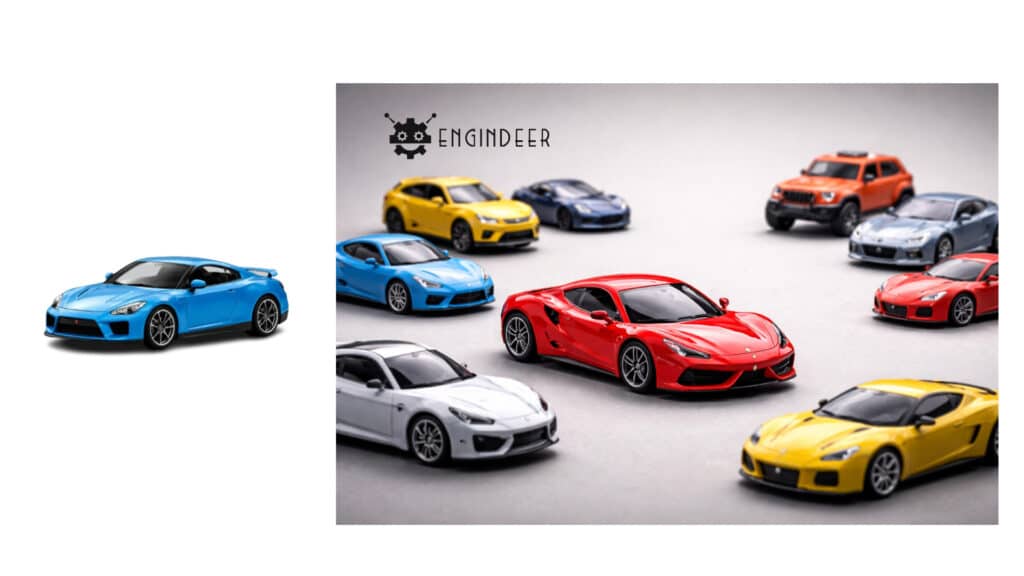
Beyond the immediate sensory appeal, the rise of this market segment is bolstered by the increasing validation of fidget tools in educational and professional settings. Schools are recognizing the value of sensory toys in aiding concentration for students with diverse learning needs, while corporations are bulk purchasing these items as part of employee wellness initiatives. This institutional adoption provides a stable revenue stream for wholesalers that is less susceptible to the volatility of typical toy trends. The 3 d car serves as a perfect entry point for these bulk purchases because it is universally recognizable, gender-neutral, and lacks the stigma associated with traditional children’s toys.
Technological accessibility has also played a pivotal role in this explosion. The barrier to entry for producing high-quality 3d customize car models has lowered, allowing a wider array of manufacturers to enter the space and drive innovation. This competition has led to rapid improvements in design complexity and functionality, ensuring that the market remains fresh and exciting for consumers. As we look toward 2026, industry experts predict that this democratization of production will continue to fuel growth, introducing new variants that keep the consumer base engaged and eager for the next iteration.
Financially, the margins associated with these products make them an attractive proposition for B2B buyers. The cost of raw materials for 3D printing has stabilized, while the perceived value of custom-designed, intricate toys remains high. This disparity allows for healthy profit margins throughout the supply chain, from the manufacturer to the wholesaler and finally to the retailer. The durability of a well-made 3d car also means that returns are low, preserving the bottom line for businesses that prioritize quality in their sourcing decisions.
1.1 Why Psychological Drivers Fuel Sales Across Demographics
The primary engine behind the surging demand for fidget toys is the growing awareness and acceptance of sensory processing needs across all age groups. For children, these toys serve as essential tools for developing fine motor skills and maintaining focus in educational settings, effectively channeling excess energy into constructive play. Adults, conversely, utilize these devices as mechanisms for stress management and anxiety reduction in high-pressure corporate environments, making the 3d car a staple on modern office desks. This dual-application creates a broad market base, ensuring consistent sales volume regardless of seasonal fluctuations typically associated with traditional children’s toys.
From a B2B perspective, the psychological longevity of these products makes them a safe and profitable inventory investment. Unlike trend-dependent toys that lose relevance within months, sensory tools address permanent human needs for tactile engagement and mental grounding. Wholesalers can market these items not just as playthings, but as wellness products, a categorization that justifies higher price points and margins. The narrative around mental health and focus continues to gain traction, suggesting that the demand for high-quality 3 d car models will remain robust well into the future.
Furthermore, the tactile satisfaction derived from manipulating small, detailed objects provides a necessary respite from the digital saturation of modern life. As remote work and digital education continue to dominate, the physical connection offered by a well-crafted fidget toy becomes increasingly valuable. This trend is supported by 2025 consumer behavior studies indicating a 25% increase in spending on non-digital desk accessories among working professionals, validating the shelf space dedicated to these items.
The market explosion is also fueled by the “gamification” of relaxation, where users seek interactive ways to decompress. A 3d car with spinning wheels or moving parts offers a micro-experience of play that is socially acceptable in professional settings. This psychological validation transforms the toy from a distraction into a productivity tool, a powerful marketing angle for B2B sales teams targeting corporate clients and educational supply distributors.
1.2 Why Material Innovation is Transforming Product Quality
The durability and feel of a fidget toy are paramount to its success, and recent innovations in 3D printing materials have elevated the 3d car from a cheap novelty to a premium product. Manufacturers are now utilizing high-grade PLA and ABS blends that offer superior strength, ensuring that moving parts like wheels and axles can withstand continuous friction without degrading. For wholesale buyers, this evolution means significantly fewer returns and higher customer satisfaction ratings, as the end product delivers a sensory experience that feels substantial and reliable rather than flimsy or disposable.
Biodegradable and sustainable materials are also becoming a major selling point, particularly as European and North American markets tighten regulations on plastic waste. A 3 d car made from eco-friendly filaments appeals to the environmentally conscious consumer, a demographic that continues to grow in purchasing power. Market insights for 2026 predict that 40% of consumer preference in the toy sector will be influenced by the sustainability of the materials used, making green manufacturing a critical factor for wholesale sourcing decisions.
The precision allowed by modern 3D printing enables the creation of complex internal geometries that traditional injection molding cannot achieve cost-effectively. This allows for the design of lighter yet stronger frames, intricate suspension systems within the toys, and smoother rolling mechanisms. For B2B clients, offering products that utilize these advanced material capabilities provides a competitive edge, distinguishing their inventory from mass-produced, low-quality alternatives flooding the market.
Advancements in post-processing techniques, such as acetone vapor smoothing or UV-cured coatings, further enhance the tactile finish of these toys. These processes remove the layer lines often associated with 3D printing, resulting in a surface that feels silky and premium to the touch. By prioritizing suppliers who employ these finishing techniques, wholesalers can ensure their 3d car offerings possess a high-end aesthetic that commands better retail pricing and fosters brand loyalty.
1.3 Why Customization is the Ultimate Market Differentiator
In a crowded marketplace, the ability to offer a 3d customize car service acts as a powerful differentiator that attracts both individual consumers and corporate clients. Personalization is no longer a luxury; it is an expectation, with customers willing to pay a premium for products that reflect their identity or brand. For wholesalers, integrating customization options into their value chain allows them to tap into the lucrative promotional products market, where businesses seek unique branded items to distribute at events and as corporate gifts.
The flexibility of additive manufacturing means that altering the design of a 3d car to include a company logo, specific color palette, or unique chassis design does not require the expensive retooling costs associated with traditional manufacturing. This agility enables B2B suppliers to offer low minimum order quantities (MOQs) for customized items, making them accessible to small businesses and large corporations alike. As we approach 2026, the ability to rapidly prototype and fulfill custom orders is predicted to be a top deciding factor for procurement managers selecting vendor partners.
Beyond branding, customization extends to the functional aspects of the toys, such as the resistance of the wheels, the weight distribution for spinning, and the texture of the grip. A 3d customize car can be tailored to specific sensory needs, such as creating a heavier model for those who require deep pressure stimulation or a smoother, faster-rolling model for fidgeters who prefer rapid motion. This level of product specificity builds a deeper connection between the user and the product, resulting in higher retention rates and repeat business.
Data from recent trade shows indicates that booths featuring customizable 3D printed solutions see 30% higher engagement than those offering static, off-the-shelf products. By highlighting the potential for a bespoke 3 d car, wholesalers can transform a simple sales pitch into a consultative partnership, solving specific client problems rather than just moving units. This shift from a transactional to a relational business model is key to thriving in the modern novelty goods sector.
2. How Wholesale Buyers Can Capitalize on 3D Trends
The opportunity for wholesale buyers to capitalize on the 3d car trend lies in strategic inventory management and the cultivation of partnerships with agile manufacturers. The B2B landscape is shifting away from massive, one-size-fits-all orders toward a more dynamic model where variety and customization reign supreme. Buyers who recognize this shift can position themselves as indispensable partners to their retail clients by offering a curated selection of high-quality, innovative fidget toys that stand out on shelves. This requires a move away from commodity buying and toward a value-added procurement strategy that prioritizes design and functionality.
Capitalizing on these trends also involves understanding the specific niches within the broader market. A generic 3 d car might sell well in discount stores, but specialty boutiques and corporate gift catalogs demand a higher caliber of product. Wholesale buyers can segment their inventory to target these specific channels, stocking premium, finished models for high-end retailers and rugged, simple designs for the education sector. This segmentation allows for maximized profitability across different market verticals, ensuring that the inventory is matched to the purchasing power and preferences of the end consumer.
The logistical efficiency of 3D printing offers another avenue for capitalization. By utilizing suppliers who can produce on demand, wholesalers can reduce the need for massive warehousing and minimize the risk of overstocking obsolete items. This lean inventory model is particularly advantageous in the volatile toy market, where trends can shift rapidly. The ability to order a new batch of a popular 3d customize car design within days rather than months provides a distinct competitive advantage, allowing wholesalers to respond instantly to spikes in demand.
Finally, marketing support plays a crucial role in capitalizing on this trend. Wholesalers who provide high-quality imagery, video demonstrations, and educational content about the benefits of their products enable their retail partners to sell more effectively. A 3d car is a tactile product, and digital assets that highlight the spinning wheels, the texture of the material, and the smoothness of the roll can bridge the gap between online browsing and physical experience. Investing in these marketing assets helps wholesalers move volume by empowering their downstream sales channels.
2.1 How Strategic Sourcing Reduces Costs and Lead Times
For wholesale buyers, the economics of stocking 3d car fidget toys relies heavily on establishing relationships with manufacturers who utilize efficient production workflows. The advent of high-speed, large-format 3D printing farms has drastically reduced the unit cost of production, allowing for economies of scale that were previously unattainable for additive manufacturing. By partnering with suppliers who operate these automated facilities, B2B buyers can secure competitive pricing that protects their margins while still offering a high-value product to their retail or corporate clients.
Strategic sourcing also involves diversifying the supply chain to mitigate risks, a lesson heavily emphasized in the logistics sectors of 2024 and 2025. Relying on a single production facility for a popular 3 d car model can lead to stockouts during peak demand periods, such as the holiday rush or back-to-school seasons. Savvy wholesalers are now vetting multiple production partners across different geographic regions to ensure continuity of supply and to leverage varying shipping costs, ultimately optimizing the landed cost of their inventory.
Lead time compression is another significant benefit of modern 3D production workflows. Unlike traditional injection molding, which requires weeks or months for mold creation and validation, a 3d customize car order can move from digital file to finished product in a matter of days. This speed-to-market allows wholesalers to operate with a leaner inventory model, reducing storage costs and minimizing the risk of being stuck with obsolete stock if trends shift unexpectedly.
Furthermore, understanding the raw material supply chain is essential for cost control. Buyers who lock in contracts for bulk filaments and resins with their suppliers can often stabilize their costs against the volatility seen in the petrochemical markets. This forward-thinking approach ensures that the 3d car remains a profitable line item, even when global commodity prices fluctuate, providing a stable revenue stream for the wholesaler’s business.
2.2 How Packaging Enhances Perceived Value and Retail Appeal
In the B2B realm, the presentation of a product is often just as critical as the product itself, particularly when targeting retail chains and gift shops. The packaging of a 3d car fidget toy serves as the primary salesperson on the shelf, conveying quality, utility, and brand ethos. Wholesalers are increasingly investing in box designs that feature transparent windows, allowing customers to see the intricate details and finish of the product without opening the package, thereby preserving the “new” condition while driving visual appeal.
Sustainable packaging solutions are also becoming a prerequisite for entry into major retail accounts. A 3 d car packaged in recyclable cardboard or biodegradable blister packs aligns with the zero-waste goals of many forward-thinking retailers. Market data for 2025 indicates that SKUs with eco-friendly packaging are seeing a 20% faster turnover rate in retail environments compared to those in single-use plastics. This consumer preference for sustainability gives wholesalers a strong negotiating point when pitching to environmentally conscious buyers.
Additionally, the packaging serves as an educational tool, particularly for the adult demographic who may be unfamiliar with the benefits of fidget toys. Including copy on the box that explains the stress-relief and focus-enhancing benefits of the 3d customize car helps to justify the purchase. It transforms the item from an impulse buy into a deliberate wellness investment, increasing the likelihood of conversion and customer satisfaction post-purchase.
For the promotional products sector, packaging offers a prime canvas for brand messaging. Custom-printed boxes that feature a client’s logo alongside the product create a complete gifting experience. Wholesalers who offer “white label” packaging services for their 3d car lines can command higher prices, as they are providing a turnkey solution for corporate clients who need branded merchandise ready for immediate distribution at conferences and events.
3. Which Customization Options Drive Highest Engagement
The question of which customization options drive the highest engagement is central to maximizing the potential of the 3d car in the wholesale market. Engagement is driven by a combination of aesthetic allure, tactile satisfaction, and personal relevance. Consumers are no longer satisfied with standard, off-the-shelf colors; they seek products that feel like they were made specifically for them. This desire for personalization is the key differentiator that can convert a casual browser into a loyal customer, making it a critical focus area for inventory expansion.
Visual customization remains the most immediate driver of engagement. The ability to choose from a wide spectrum of colors, or to utilize color-blocking techniques that highlight the engineering of the 3 d car, creates a visual hook that draws the eye. In a retail environment, a vibrant display of customizable options encourages longer interaction times, as customers mix and match components to visualize their ideal product. This engagement at the point of sale is a strong predictor of purchase intent, making variety an essential strategy for wholesalers.
Beyond the visual, the weight and balance of the toy significantly impact user engagement. A 3d car that feels too light can feel cheap, while one that is too heavy may be cumbersome to use. Advanced customization options that allow for the adjustment of weight, perhaps through the addition of metal inserts or varying densities of filament, allow the user to fine-tune the fidget experience to their specific sensory preferences. This level of control creates a deeper bond between the user and the product, leading to higher retention rates.
Finally, brand integration is a powerful driver of engagement in the B2B space. For corporate clients, the ability to seamlessly incorporate a logo into the design of a 3d customize car—whether printed on the chassis or formed into the wheel structure—transforms the item into a powerful branding tool. This utility ensures that the product is not just kept but used frequently, increasing brand impressions and providing a high return on investment for the buyer. Wholesalers who can offer sophisticated branding solutions will find themselves at the top of the preference list for promotional product distributors.
3.1 Which Color and Finish Options Resonate with Buyers
Visual appeal is the first touchpoint in the customer journey, and the versatility of a 3d car in terms of color and finish is a major selling point. In 2025, matte finishes have gained popularity over glossy ones for their sophisticated grip and resistance to fingerprints, making them a preferred choice for adult office environments. Wholesalers stocking a variety of muted, professional tones like slate grey, navy, and forest green are finding success in the B2B corporate sector, where aesthetics must align with office decor.
Conversely, the children’s market continues to favor vibrant, neon, and multi-color options that stimulate visual engagement. A 3 d car produced with color-shifting filaments or glow-in-the-dark materials adds an element of novelty that captures the imagination of younger users. By segmenting inventory based on these distinct aesthetic preferences, wholesalers can more effectively target their marketing efforts and ensure that the right products reach the appropriate retail channels, whether they are toy stores or office supply depots.
The option for a metallic or wood-like finish is also trending, offering the premium look of heavier materials without the associated cost or weight. A 3d customize car that features a realistic wood grain finish, for example, appeals to eco-conscious consumers and those who prefer a natural, tactile feel. These advanced finishing options are made possible through specialized composite filaments, allowing for a high-end aesthetic that differentiates premium product lines from standard commodity toys.
Looking ahead to 2026, color trends are predicted to move toward “therapeutic” palettes—soft pastels and earth tones designed to induce calm. Wholesalers who stay ahead of these color forecasting trends can refresh their 3d car collections seasonally, keeping their inventory feeling fresh and on-trend. This proactive approach to product lifecycle management encourages retailers to reorder frequently, knowing that the supplier is attuned to the evolving tastes of the end consumer.
3.2 Which Functional Customizations Add the Most Value
While aesthetics draw the eye, it is the functional customization of a 3d car that secures long-term user engagement and retention. One of the most requested features in the current market is adjustable wheel resistance. By allowing users to tighten or loosen the wheels, a 3 d car can transform from a fast-rolling speedster to a slow, resistance-heavy spinner that provides significant tactile feedback. This adaptability makes the product suitable for a wider range of sensory preferences, increasing its marketability to occupational therapists and special education professionals.
Another high-value customization is the integration of interchangeable parts. A 3d customize car that features snap-on chassis components or different wheel types allows the user to modify the toy’s weight and balance. This “modular toy” concept is gaining traction in educational markets, where it is used to teach basic engineering and physics principles to children. For B2B buyers, offering accessory packs or upgrade kits alongside the base product provides an excellent opportunity for upselling and increasing the average order value.
Silent operation is a critical functional requirement for office environments and classrooms. Wholesalers are prioritizing designs that incorporate high-quality, bushless bearings or specially designed low-friction axles to ensure the 3d car remains silent during use. Highlighting this “stealth mode” capability in marketing materials can directly address the pain point of noise distractions, making the product an easier sell to schools and open-plan offices.
Finally, the inclusion of magnetization features adds a layer of interactive play that appeals to both kids and adults. A magnetic 3d car can be attached to metal desks, lockers, or whiteboards, serving a dual purpose as a fidget toy and a decorative magnet. This functional versatility enhances the perceived value of the product, as it solves the problem of storage and portability while adding a “fidget-friendly” mounting solution that keeps the toy within easy reach.
How to Future-Proof Your Inventory with 3D Car Toys
The trajectory of the 3d car fidget toy market indicates a robust future fueled by technological advancement and a deepening understanding of sensory wellness. For wholesalers and B2B buyers, the current trend is not a temporary spike but a fundamental shift in consumer behavior toward products that offer mental and tactile benefits. By aligning inventory strategies with the insights from 2025 market data and the projections for 2026, businesses can build a product portfolio that is resilient to economic fluctuations and changing fads.
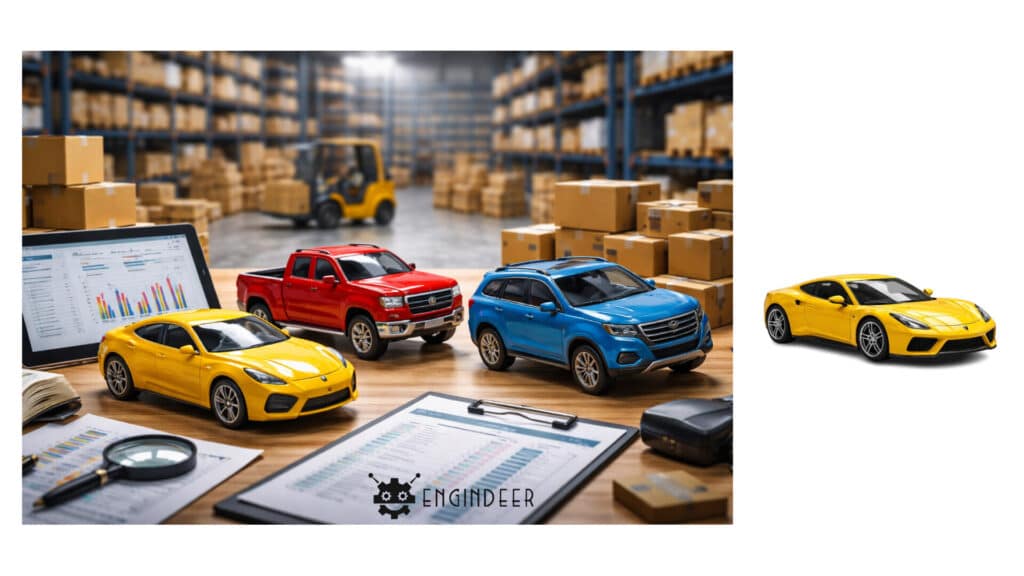
Success in this sector requires a commitment to quality, material innovation, and the flexibility to offer customized solutions. The businesses that thrive will be those that move beyond selling generic commodities and start offering value-added services like 3d customize car options, sustainable packaging, and functional design enhancements. These elements build a moat around the business, protecting it from low-cost competitors who cannot match the level of detail or service.
It is also essential to maintain a strong marketing narrative that educates potential buyers on the “why” behind the product. Whether targeting a school administrator looking for focus tools or a corporation seeking employee wellness gifts, the story must be tailored to highlight the specific benefits of the 3 d car. This consultative sales approach, backed by high-quality, customizable stock, establishes the seller as an industry authority rather than just a vendor.
Ultimately, the integration of 3D printing technology into the novelty toy supply chain represents a new era of manufacturing efficiency and consumer connection. By capitalizing on the ability to rapidly prototype, customize, and produce high-quality 3d car models, wholesalers can secure a lucrative position in a growing market. The call to action for industry professionals is clear: invest in customizable, high-quality sensory toys now to capture the wave of demand that will continue to rise through 2026 and beyond.
Frequently Asked Questions
1. What Are 3D Car Fidget Toys Made Of?
High-quality 3d car models are typically produced using durable thermoplastic materials such as PLA (Polylactic Acid) and ABS (Acrylonitrile Butadiene Styrene) blends. These materials are chosen for their strength, impact resistance, and ability to hold fine details. For eco-conscious buyers, many suppliers now offer biodegradable filaments like PLA derived from cornstarch or sugarcane. Advanced composite filaments containing wood fibers, metal particles, or carbon fiber are also available to create premium finishes that mimic wood, metal, or stone textures without adding significant weight or cost.
2. How Can Wholesale Buyers Customize These Toys for Corporate Clients?
Wholesale buyers have extensive options for creating a bespoke 3d customize car that serves as an effective marketing tool. Customization can range from simple branding, such as printing a company logo on the chassis or wheels, to more complex changes like matching exact brand colors (Pantone matching) for the plastic filament. Functional customization is also possible, such as adjusting wheel resistance or weight to suit specific preferences. For large corporate orders, suppliers can even create entirely new chassis designs that incorporate brand elements into the vehicle’s shape, providing a unique promotional item that recipients will value and use.
3. What Is the Typical Minimum Order Quantity (MOQ) for Customized 3D Fidget Cars?
The MOQ for customized 3d car models varies significantly depending on the complexity of the customization and the manufacturer’s capabilities. For simple color changes or logo printing, MOQs can be as low as 50 to 100 units, making them accessible for small businesses and events. However, for fully custom designs that require new 3D modeling and prototyping, MOQs typically start at 500 to 1,000 units. Many suppliers offer tiered pricing, where the unit cost decreases substantially as order volume increases, incentivizing larger bulk purchases that improve profit margins for wholesalers and retailers.
4. Are These Toys Suitable for Children Under Three Years Old?
Standard 3 d car fidget toys are generally not recommended for children under three years old due to small parts that could pose a choking hazard, such as wheels or axles that may detach if the toy is damaged. However, for this age group, manufacturers can produce “solid-state” versions where all moving parts are fully enclosed within the chassis, eliminating any risk of component separation. Wholesale buyers targeting the early childhood education sector should specifically request these safety-compliant designs and ensure that all materials used are non-toxic and certified to meet international safety standards like ASTM or EN71.
5. How Do 3D Printed Fidget Cars Compare to Injection Molded Toys in Terms of Durability?
Early 3D printed toys were indeed less durable than their injection-molded counterparts, but material science and printing technology have closed this gap significantly. Modern high-strength filaments and advanced printing techniques like fused filament fabrication (FFF) with proper annealing can produce 3d car models that rival injection-molded parts in toughness. The key advantage of 3D printing is that it allows for complex internal geometries—such as hollow structures with reinforcement ribs—that maintain strength while reducing weight. For wholesale buyers, this means offering a product that is both durable and cost-effective to ship, with the added benefit of design flexibility that traditional molding cannot match.
6. What Packaging Options Are Available for Retail Display?
For retail environments, packaging plays a crucial role in perceived value and shelf appeal. Wholesalers can choose from various options, including blister packs with hanging tabs for pegboard display, window boxes that showcase the 3d car without opening the package, and premium gift boxes for high-end lines. Sustainable packaging solutions are increasingly popular, such as boxes made from recycled cardboard or biodegradable plant-based plastics. Custom-printed packaging that features the retailer’s branding or educational information about the benefits of fidget toys can also enhance the product’s marketability and justify higher price points.
7. Can These Toys Be Produced with Glow-in-the-Dark or Color-Shifting Materials?
Yes, advanced filament technology allows for the production of 3d customize car models with special visual effects. Glow-in-the-dark filaments contain phosphorescent materials that absorb light and emit it slowly in darkness, creating a striking effect that appeals to both children and adults. Color-shifting or “chameleon” filaments appear to change color depending on the viewing angle and lighting conditions, adding a dynamic visual element. These specialty materials do cost more than standard filaments, but they create premium products that stand out in the market and command higher retail prices, making them an excellent option for differentiation in a wholesale catalog.
8. What Is the Lead Time for a Typical Wholesale Order?
Lead times for 3d car orders vary based on order size and customization level. For standard, off-the-shelf designs ordered in bulk quantities (1,000+ units), lead times typically range from 2 to 4 weeks, including production and shipping. For customized orders requiring new 3D modeling and prototyping, the initial process may take 4 to 6 weeks, with subsequent reorders being faster once the design is finalized. Rush production services are often available for urgent deadlines, though they may incur additional fees. Wholesale buyers should plan their inventory needs well in advance, especially during peak seasons like back-to-school and holidays, to ensure timely delivery.
9. How Do Sellers Clean and Maintain 3D Printed Fidget Toys?
3D printed 3 d car models are relatively low-maintenance but do benefit from occasional cleaning to keep them functioning smoothly and looking their best. For most models, a simple wipe down with a damp cloth and mild soap is sufficient to remove dirt and oils from handling. For models with intricate details or moving parts that accumulate dust, compressed air can be used to blow out debris from crevices. It is important to avoid harsh chemicals or abrasive cleaners that could damage the plastic or affect the finish. For models with metal bearings or axles, a tiny drop of silicone lubricant can be applied periodically to maintain smooth spinning action.
10. What Market Trends Should Wholesalers Watch in 2026?
Industry experts predict several key trends for the 3d car market in 2026. First, sustainability will become even more critical, with increased demand for biodegradable materials and plastic-free packaging. Second, functional integration will advance, with toys incorporating elements like magnetic attachments, modular components, or even simple electronic feedback like vibration. Third, the therapeutic aspect will be emphasized more heavily, with designs specifically engineered for different sensory profiles (e.g., heavy for deep pressure, light for tactile stimulation). Finally, augmented reality (AR) compatibility may emerge, where scanning a physical 3d customize car with a phone unlocks digital content or experiences, bridging physical and digital play—a trend that is already gaining traction in the broader toy industry.