

Introduction
In the modern landscape of professional environments and personal wellness, the prevalence of stress and anxiety has reached critical levels, necessitating innovative, tactile solutions. As organizations and individuals seek effective methods to manage cognitive load and nervous energy, the emergence of the 3D printed fidget toy represents a convergence of therapeutic design and advanced manufacturing capabilities. Unlike traditional mass-produced stress relief items, a 3D printed fidget offers unparalleled opportunities for customization, material diversity, and complex geometric structures that enhance sensory engagement.
For businesses operating in the B2B sector, the rise of additive manufacturing has opened a lucrative avenue for wholesale distribution and custom branding. The ability to produce a bespoke 3d printed fidget toy tailored to specific demographic needs or brand identities allows wholesalers and retailers to offer high-value products in a crowded market. This content delves into the mechanics of anxiety relief, the manufacturing advantages of 3D printing, and the strategic benefits for wholesale buyers, providing a complete overview of why this sector is poised for significant growth through 2025 and beyond.
1. Why the Market for 3D Printed Fidget Solutions is Expanding in 2025
The global market for sensory and fidget toys has seen a consistent upward trajectory, driven by a growing collective awareness of mental health and cognitive well-being. However, the specific niche of 3D printed variants is experiencing an accelerated boom due to shifts in consumer demand for personalization and sustainable production. Industry reports project that the additive manufacturing market will surpass $20 billion by 2026, with consumer products and lifestyle goods accounting for a significant portion of this growth. This expansion is fueled by a desire for products that are not only functional but also aesthetically unique and environmentally responsible.
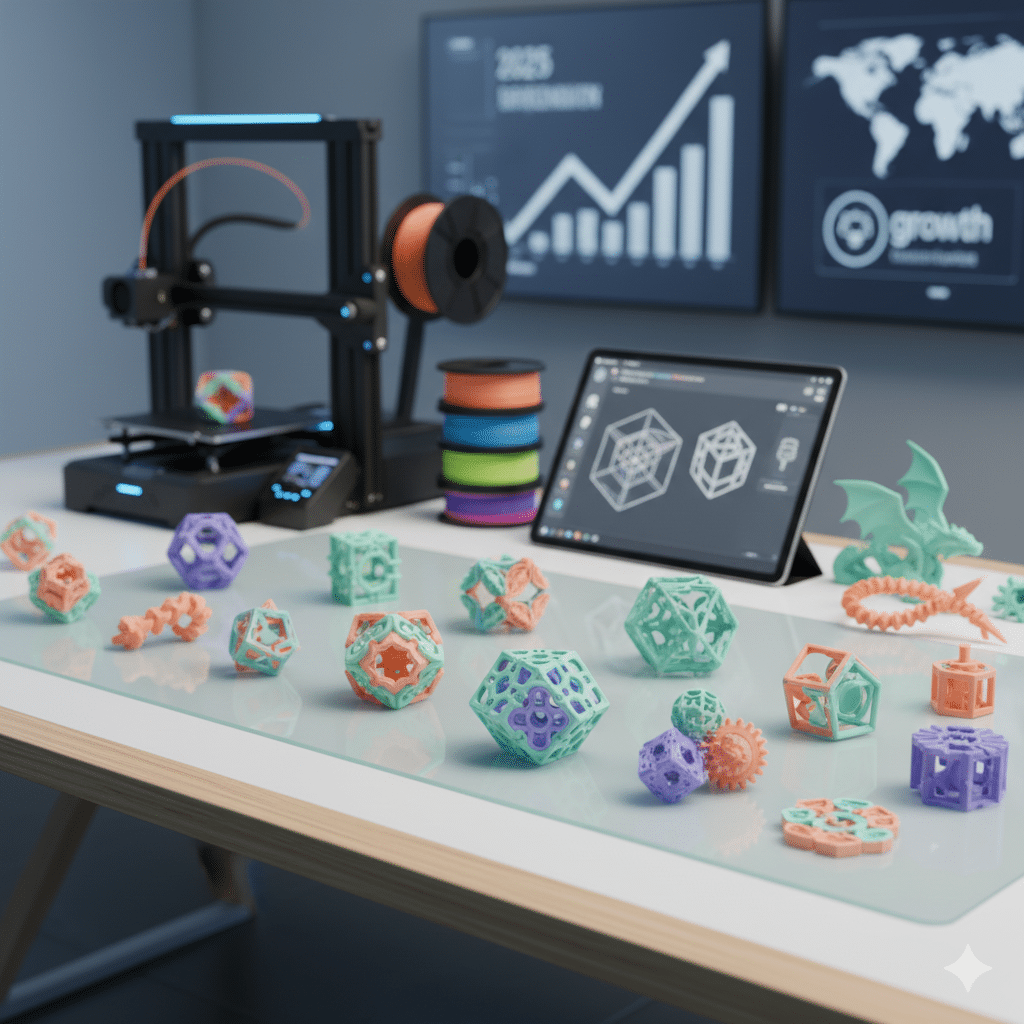
For wholesale buyers, understanding this market shift is crucial. The modern consumer, particularly within the corporate and educational sectors, is moving away from generic, injection-molded plastic items toward products that offer a “tech-forward” and “custom” feel. A 3d printed fidget toy serves as a tangible representation of innovation. Businesses are increasingly utilizing these items not merely as toys, but as premium corporate merchandise, therapeutic tools for employee wellness programs, and high-margin retail products. The flexibility of 3D printing allows for rapid prototyping and on-demand production, reducing inventory risks for wholesalers while meeting the specific “why” behind the trend: the need for specialized, effective anxiety management tools that do not compromise on style or material quality.
1.1 How Global Stress Levels are Driving Demand for Tactile Relievers
The correlation between rising global stress indices and the demand for tactile relievers is well-documented. With the World Health Organization identifying workplace stress as a primary epidemic of the modern era, the search for non-disruptive, desk-based coping mechanisms has intensified. Tactile stimulation, provided by a high-quality 3d printed fidget, acts as a grounding mechanism, helping to regulate the nervous system and redirect focus. The “how” of this process lies in the physical engagement of the hands, which lowers cortisol levels and occupies the “monkey brain,” allowing for sustained concentration on complex tasks.
For B2B buyers, this creates a clear value proposition. Offering a 3d printed fidget toy as part of a corporate wellness kit or an educational support package addresses a tangible, painful problem for end-users. Unlike generic stress balls, which often lack durability and tactile sophistication, 3D printed options provide mechanical feedback—clicking, spinning, and sliding—that is far more effective for anxiety regulation. As we move into 2026, market insights suggest that companies prioritizing employee mental health will see a significant return on investment through reduced absenteeism and higher productivity, further driving the B2B demand for these specialized tools.
1.2 Why Traditional Manufacturing Limits Innovation Compared to 3D Printing
Traditional injection molding, while cost-effective for massive volumes of identical items, imposes severe constraints on design complexity and customization. The high upfront cost of steel molds makes it economically unfeasible to produce unique, bespoke, or small-batch fidget toys for specific client needs. This is where the 3d printed fidget shines. Additive manufacturing builds objects layer by layer, allowing for the creation of internal moving parts, complex lattice structures, and impossible geometries that cannot be achieved through molding.
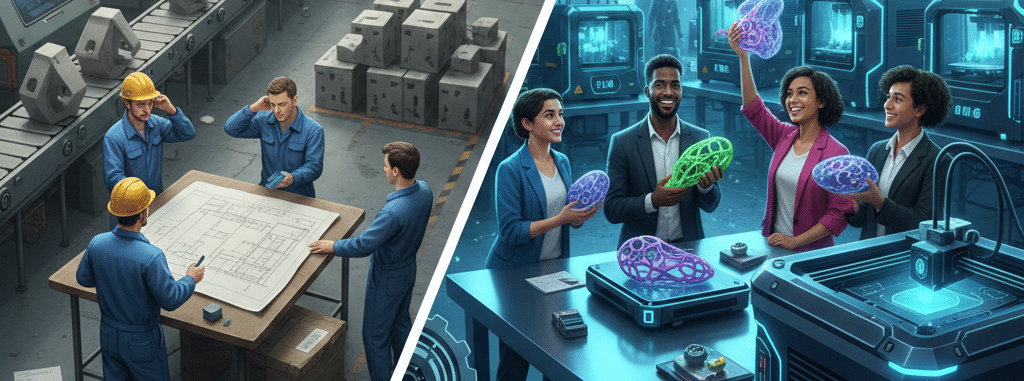
For a wholesale business focused on customization, this distinction is vital. It means that a client can request a specific texture to match sensory processing needs, or a complex interlocking mechanism that serves as a functional puzzle, without the barrier of tooling costs. The best 3d printed fidget toys leverage this freedom to offer features like flexible hinges, integrated gears, or variable density prints. This capability allows wholesalers to pitch “limited edition” or “brand-specific” runs to corporate clients, offering a level of product differentiation that traditional manufacturers simply cannot match.
2. How 3D Printed Fidget Toys Mechanically Aid in Stress and Anxiety Relief
The efficacy of a fidget device is rooted in its ability to provide sensory stimulation that modulates arousal levels in the brain. For individuals dealing with anxiety, ADHD, or high-pressure work environments, the need for a physical outlet to expend restless energy is paramount. A well-designed 3d printed fidget toy provides specific tactile and proprioceptive inputs that help the user transition from a state of hyper-arousal to one of focused calm. The mechanism of relief involves the dual process of distraction and grounding; the toy occupies the part of the brain that would otherwise wander or worry, thereby freeing up cognitive resources for the task at hand.
From a product development standpoint, the “how” is a matter of engineering. The precision offered by modern 3D printing ensures that moving parts—such as bearings, sliders, or interlocking rings—operate with smooth consistency. Unlike cheap molded plastics that may stick or feel “gritty,” a high-quality 3d printed fidget can be engineered to tolerances of a few microns. This mechanical precision translates to a more satisfying user experience, which is essential for genuine stress relief. For B2B buyers, emphasizing the engineering quality and the mechanical reliability of these products is a key selling point, as it distinguishes a premium therapeutic tool from a cheap novelty item.
2.1 Why Complex Geometries Unique to 3D Printing Enhance Tactile Feedback
One of the most significant advantages of utilizing a 3d printed fidget is the ability to incorporate complex surface geometries that enhance tactile feedback. The human hand is incredibly sensitive to texture, shape, and resistance. 3D printing allows for the creation of surfaces with varied infill patterns, ridges, and articulation points that provide a rich sensory experience. For example, a fidget toy can be printed with a variable density lattice—firm in the core for structural integrity but slightly flexible on the exterior for comfort.
This complexity is not merely aesthetic; it serves a therapeutic function. Different users respond to different stimuli; some require the smooth, continuous motion of a spinning ring, while others need the resistance of clicking joints or the texture of a dimpled surface. The best 3d printed fidget toys on the market utilize these geometric capabilities to cater to a wide spectrum of sensory preferences. For a wholesale buyer, this means the inventory can be segmented to target specific niches, such as “tactile seekers” or “fidgeters who need silence,” thereby broadening the potential customer base and increasing the utility of the product.
2.2 How Customizable Materials Contribute to Therapeutic Benefits
The material composition of a fidget toy plays a critical role in its therapeutic efficacy. 3D printing offers a palette of materials ranging from rigid, heat-resistant plastics to flexible, rubber-like thermoplastic polyurethanes (TPU). This versatility is a major selling point for a 3d printed fidget toy destined for the wholesale market. For instance, a user who finds hard plastics uncomfortable or jarring may benefit significantly from a fidget printed in soft-touch TPU, which provides a silent, squishy tactile experience.
Furthermore, materials can be selected based on environmental concerns, a growing priority for B2B procurement. Biodegradable plastics like PLA (Polylactic Acid) are widely used in 3D printing and appeal to eco-conscious organizations. The ability to offer a product that is both therapeutically effective and environmentally sustainable creates a powerful narrative for wholesalers. By understanding the material properties and how they contribute to the sensory experience, businesses can guide their clients toward the 3d printed fidget that best suits their specific brand values and the functional needs of their end-users.
When selecting products for wholesale distribution or corporate branding, the design is paramount. The best 3d printed fidget toys for professional environments are those that balance discretion with functionality. While loud, obtrusive toys may be suitable for children, the B2B market demands sophisticated designs that look at home in a boardroom or a high-end office setting. These designs often mimic modern art or mechanical components, serving a dual purpose as a desk accessory and a stress relief tool.
3. Which Designs Stand Out as the Best 3D Printed Fidget Toys for Corporate Use?
Leading designs in this category include articulated models such as “fidget snakes,” interlocking cubes, and geometric topology puzzles. These designs are particularly suited for 3D printing because they utilize the technology’s ability to print articulated, moving parts in a single print job without assembly. For a business, this translates to lower production costs and higher durability. Highlighting these specific designs in a catalog allows wholesale buyers to offer solutions that feel premium and thoughtful, reinforcing the brand image of the company distributing them.
3.1 Why Articulated Fidget Models are Superior for Engagement
Articulated fidget models, such as chains, snakes, and slugs, have surged in popularity due to their satisfying fluidity and infinite configurability. These models are printed as a single object but consist of dozens of interconnected joints that move smoothly and silently. The “why” behind their superiority lies in their addictive, fluid motion, which is particularly effective for occupying anxious hands without causing distraction to others. This makes them an ideal candidate for a 3d printed fidget toy in office settings, meeting rooms, and libraries.
From a manufacturing and wholesale perspective, articulated models are highly efficient. They require no post-assembly, reducing labor costs. They are also excellent vehicles for customization; a corporate logo can be seamlessly integrated into the design of the “scales” or segments of the toy. This creates a branded item that employees or clients are actually likely to keep and use, unlike traditional promotional pens which are often discarded. The high perceived value of a complex, articulated 3d printed fidget makes it a powerful tool for client retention and brand loyalty.
3.2 How Silent Fidget Options Cater to Professional Environments
A common critique of many fidget devices is the noise they generate—clicking, clacking, or rattling can be disruptive in a shared workspace. Consequently, there is a high demand for silent options, and this is an area where the 3d printed fidget excels. By utilizing tight tolerances and specific materials like PLA or PETG, manufacturers can create spinning tops, silent gears, and sliding puzzles that operate almost noiselessly.
For wholesale buyers targeting the corporate sector, emphasizing the “silent” feature is essential. It addresses the primary objection HR managers might have regarding fidget toys in the office. By marketing a 3d printed fidget toy as a “productivity tool” rather than a “distraction,” and backing that claim with silent operation, businesses can successfully penetrate the lucrative corporate wellness market. These silent designs are often among the best 3d printed fidget toys for professional adults, providing a discreet outlet for stress that maintains the decorum of the workplace.
4. How Wholesale Buyers Can Leverage Customization for Brand Impact
The true power of the 3d printed fidget in the B2B space lies in its capacity for customization. Unlike off-the-shelf items, 3D printing allows for complete modification of the product to align with a client’s brand identity. This goes beyond simply slapping a logo on a surface; it involves embedding the brand into the very DNA of the product. Custom colors, Pantone matching, and bespoke shapes allow a 3d printed fidget toy to serve as a powerful, three-dimensional billboard for a company.
For wholesalers and promotional product distributors, this represents a high-margin opportunity. By offering design services alongside the product, sellers can increase the order value and client stickiness. Imagine a tech company distributing a fidget toy shaped like a microchip or a architecture firm giving out a model of a famous building that functions as a puzzle. The best 3d printed fidget toys are those that tell a story. Leveraging this capability allows B2B buyers to pitch not just a commodity, but a bespoke marketing solution that delivers a high return on investment through brand visibility and positive user association.
4.1 Why Branded Merchandise is Evolving from Pens to Functional Wellness Tools
The landscape of branded merchandise is undergoing a significant paradigm shift. Standard items like mugs, pens, and keychains have low retention rates and minimal impact on the recipient’s daily life. In contrast, functional wellness tools like a 3d printed fidget are retained because they serve a genuine purpose. As companies become more employee-centric and mental-health-aware, the budget for swag is being redirected toward items that promote well-being.
This evolution is driven by the “why” of branding: companies want to be associated with care, innovation, and modernity. Gifting a high-quality, custom 3d printed fidget toy sends a message that the employer values the recipient’s mental state. For the wholesale buyer, this trend means that positioning these products as “wellness tools” rather than “toys” is key to unlocking higher budgets from corporate clients. It shifts the conversation from a simple purchase to an investment in company culture and employee satisfaction.
4.2 How to Scale Custom 3D Printed Fidget Production for Large Events
Scaling production for large events—such as conferences, trade shows, or product launches—often presents a challenge for custom manufacturing. However, advances in 3D printing farm technology have made it possible to produce thousands of units of a custom 3d printed fidget in a relatively short timeframe. By utilizing batch processing and automated print farms, suppliers can fulfill large orders without the lead times associated with traditional manufacturing re-tooling.
For a business looking to source these items, the key is to engage with suppliers who have established infrastructure for scalability. It is important to verify that the supplier can maintain consistent quality across large batches, as color variance and structural integrity can vary in 3D printing. Successfully navigating the “how” of scaling allows wholesalers to confidently take on large contracts for major events, knowing that a high-quality, custom 3d printed fidget toy can be delivered on time and to spec, creating a memorable takeaway for event attendees.
5. Which Strategies Ensure Quality When Sourcing 3D Printed Fidgets in Bulk
Sourcing 3D printed products in bulk requires a different approach than sourcing traditional manufactured goods. Quality control in 3D printing is more variable, dependent on factors such as printer calibration, filament humidity, and layer adhesion. For a B2B buyer, ensuring that every 3d printed fidget meets a high standard is critical for maintaining reputation and ensuring customer satisfaction. This necessitates a strategy that prioritizes supplier vetting, material certification, and prototype testing.
The best 3d printed fidget toys are those that feel robust and finished. Buyers should look for suppliers who offer post-processing services, such as vapor smoothing to remove layer lines, or dyeing for consistent coloration. Understanding the “which” in terms of strategies involves selecting partners who view 3D printing as an industrial process, not just a hobbyist one. By enforcing strict quality assurance protocols, businesses can ensure that the fidget toys they distribute are durable, safe, and aesthetically pleasing, thereby reducing returns and enhancing the end-user experience.
5.1 Why Material Safety and Durability Standards Matter for B2B Buyers
When distributing fidget toys to the public or employees, material safety is non-negotiable. This is especially pertinent for 3D printed items, where the range of filament chemistries is vast. A 3d printed fidget toy intended for general use must be free from toxic additives, heavy metals, and harmful off-gassing. Reputable suppliers should be able to provide Material Safety Data Sheets (MSDS) for their filaments and certify that their products are BPA-free and compliant with relevant safety standards (such as REACH in Europe or CPSIA in the US).
Durability is equally important. A fidget toy that snaps after a few days of use reflects poorly on the brand that distributed it. B2B buyers must prioritize materials known for impact resistance, such as PETG or ABS, over more brittle materials like standard PLA for functional parts. By rigorously addressing material safety and durability, businesses protect themselves from liability and build trust with their clients, ensuring that the 3d printed fidget is viewed as a premium, reliable product.
5.2 How to Evaluate a Supplier’s Capabilities in Custom Design
Evaluating a supplier’s capabilities goes beyond checking their price per unit. It involves assessing their ability to translate a conceptual design into a physical 3d printed fidget toy accurately. A capable supplier will have in-house design engineers who can optimize a client’s logo or shape for 3D printing, ensuring structural integrity and printability. They should be able to provide detailed renderings and physical prototypes (samples) before the full production run begins.
The “how” of this evaluation process should include requesting a portfolio of past custom projects, checking the precision of their machinery (SLA vs. FDM), and understanding their post-processing capabilities. A supplier who can offer advice on design—such as which wall thicknesses are optimal or which infill patterns provide the best strength—demonstrates expertise that adds value to the partnership. Selecting the right supplier is the cornerstone of successfully offering the best 3d printed fidget toys to the market, ensuring that the final product is a true asset to the buyer’s brand.
Conclusion
The intersection of mental health awareness and additive manufacturing innovation has created a robust market for the 3d printed fidget toy. As we look toward 2026, the demand for these tools is set to increase, driven by their efficacy in stress relief and their unique capacity for customization. For businesses, this represents a prime opportunity to invest in a product category that offers genuine value to the end-user while serving as a powerful vehicle for brand expression. Whether utilized for corporate wellness, educational support, or high-end retail, the 3d printed fidget stands out as a smart, sustainable, and engaging solution.
The ability to offer the best 3d printed fidget toys relies on understanding the “why” and “how” behind their popularity—from the psychological benefits of tactile engagement to the technical advantages of 3D printing over traditional methods. By prioritizing quality, customization, and strategic sourcing, wholesale buyers can capitalize on this trend, delivering products that resonate with modern consumers and professionals. The future of promotional and wellness products is here, and it is being built, layer by layer, to help manage the stresses of the modern world.
Frequently Asked Questions
What are the primary benefits of using a 3D printed fidget toy for stress relief?
A high-quality 3d printed fidget toy offers distinct therapeutic advantages by providing tactile and sensory stimulation that helps regulate the nervous system. The complex geometries and precise moving parts inherent in additive manufacturing allow for satisfying feedback—such as clicking, spinning, or sliding—which serves as a grounding mechanism for individuals dealing with anxiety or high cognitive load. Unlike generic toys, a 3d printed fidget can be tailored to specific sensory preferences, offering a more effective and personalized stress relief experience that improves focus and reduces restlessness.
How does 3D printing allow for better customization compared to traditional fidget toys?
Traditional manufacturing methods, like injection molding, require expensive steel molds that make small-batch customization cost-prohibitive. In contrast, 3D printing builds items layer by layer from digital files, eliminating the need for tooling. This technology allows for the creation of a bespoke 3d printed fidget toy with unique internal mechanisms, custom shapes, and embedded branding at a relatively low cost. For businesses, this means they can order specific designs that align perfectly with their brand identity or event theme without worrying about minimum order quantities that run into the tens of thousands.
Which materials are used to manufacture high-quality 3D printed fidgets for wholesale?
The best 3d printed fidget toys are typically manufactured using durable and safe thermoplastics such as PLA (Polylactic Acid), PETG, and TPU (Thermoplastic Polyurethane). PLA is popular for its eco-friendly properties and ease of printing in vibrant colors, making it ideal for promotional items. PETG offers higher durability and heat resistance, suitable for heavy-use mechanical fidgets. TPU provides a flexible, rubber-like texture that is silent and soft to the touch, catering to users who prefer a non-rigid sensory experience. Reputable wholesale suppliers ensure these materials are BPA-free and compliant with safety standards.
Why 3D printed fidgets are considered effective tools for corporate wellness programs?
Corporate wellness programs increasingly prioritize mental health, and 3d printed fidgets serve as tangible, functional tools to support this initiative. Their silent operation and discreet, professional designs make them suitable for office environments, allowing employees to manage stress without disrupting colleagues. By distributing a custom 3d printed fidget toy, companies demonstrate a commitment to employee well-being. These tools help lower cortisol levels and improve concentration, ultimately contributing to higher productivity and job satisfaction within the workforce.
How can businesses leverage a custom 3D printed fidget for brand marketing?
Businesses can leverage a custom 3d printed fidget by transforming it from a simple toy into a powerful 3D marketing asset. Unlike flat promotional items like pens or mugs, a fidget toy occupies the user’s hands for extended periods, creating repeated exposure to the brand. Companies can integrate logos directly into the toy’s structure, match brand colors exactly using Pantone matching, and design shapes that reflect their industry. The best 3d printed fidget toys become coveted desk accessories, ensuring the brand remains top-of-mind for clients and employees alike.
What are the best 3D printed fidget toys for professional office environments?
The best 3d printed fidget toys for professional settings are those that combine functionality with a sophisticated aesthetic. Articulated models, such as fidget snakes or interlocking cubes, are highly popular because they offer fluid, silent movement. Topological puzzles and geometric spinning tops are also excellent choices, as they look like modern art pieces. These designs provide the necessary sensory input for anxiety relief while maintaining a low profile, ensuring they are appropriate for use during meetings, conference calls, or focused work sessions.
How do 3D printed fidget toys compare in durability to injection-molded plastic toys?
While early 3D printing was sometimes associated with fragility, modern industrial-grade 3D printing produces fidget toys that are exceptionally durable. By utilizing strong materials like PETG or ABS and optimizing print orientation for structural integrity, a 3d printed fidget can withstand significant daily wear and tear. Although injection-molded parts may have a slight edge in uniformity, the ability to print with variable infill densities allows 3D printed toys to be engineered for specific stress points, often resulting in a product that feels more robust and substantial than its hollow molded counterparts.
Why is the demand for custom 3D printed fidgets growing in the B2B market?
The demand is growing because B2B buyers are moving away from generic “swag” toward high-value, functional items that recipients actually use. As mental health awareness rises, companies are seeking products that support well-being. A 3d printed fidget toy addresses this need while offering unmatched customization potential. Market trends indicate that businesses prefer “tech-forward” and sustainable merchandise. The ability to produce small, custom batches on demand aligns perfectly with the just-in-time inventory strategies many companies now employ, making 3D printed fidgets a strategic choice for B2B procurement.
What is the typical lead time for wholesale orders of custom 3D printed fidgets?
One of the key advantages of sourcing a 3d printed fidget toy is the reduced lead time compared to traditional manufacturing. Since there is no need to wait for molds to be machined and tested, production can begin immediately after the digital design is finalized. For standard wholesale orders, lead times can range from a few days to a couple of weeks, depending on the order volume and the complexity of the post-processing required. This speed allows businesses to react quickly to market trends or fulfill urgent needs for events and launches.
How can I ensure the quality of bulk 3D printed fidget toys before placing a large order?
To ensure quality, it is essential to work with a supplier who utilizes industrial-grade SLS (Selective Laser Sintering) or high-end FDM (Fused Deposition Modeling) printers rather than hobbyist equipment. Before committing to a bulk purchase, always request a physical sample or prototype to evaluate the finish, tolerance, and material feel. Ask the supplier about their quality control processes, including how they manage layer adhesion and color consistency. A reliable supplier will be transparent about their capabilities and provide material certifications to guarantee that the 3d printed fidget meets your standards for safety and durability. Read More”